
Referral Networks and Their Influence on Extended Play Periods in Virtual Card Gaming
Referral networks operate as interconnected systems where players invite others to join digital card platforms, and these structures directly affect how long participants remain active at virtual baccarat and similar tables. Data from industry tracking services shows that players entering through referral links maintain sessions 28 percent longer on average than those who sign up independently, with the effect compounding as chains extend across multiple users.
Mechanics of Referral Chains in Card Gaming Environments
Platforms implement referral programs that reward both the inviter and the new participant with bonus credits or reduced wagering thresholds, and this setup encourages ongoing interaction between connected accounts. Observers note that when one player achieves a milestone such as completing a deposit requirement, the linked accounts often receive notifications that prompt immediate logins and continued play, creating synchronized activity spikes across the chain. Research from the Canadian Centre for Gaming Research indicates these notifications increase return visits within the same day by 41 percent in card-focused venues.
Extended play windows emerge because referral incentives frequently tie rewards to cumulative group activity rather than individual results, which means participants monitor and support each other's sessions to unlock shared benefits. Those who've studied player behavior patterns report that chains spanning four or more users generate session durations exceeding 90 minutes more frequently than isolated accounts, since each member receives progress updates that sustain engagement.
Data Patterns Observed in September 2026
Platform analytics released in September 2026 revealed that referral-driven traffic accounted for 37 percent of new baccarat table activity across major virtual operators, and these players contributed disproportionately to total handle during peak evening hours. Figures from the Australasian Gaming Council show average session length for referred users reached 74 minutes compared with 51 minutes for direct signups during that period, with the gap widening when bonus multipliers applied to the entire chain.
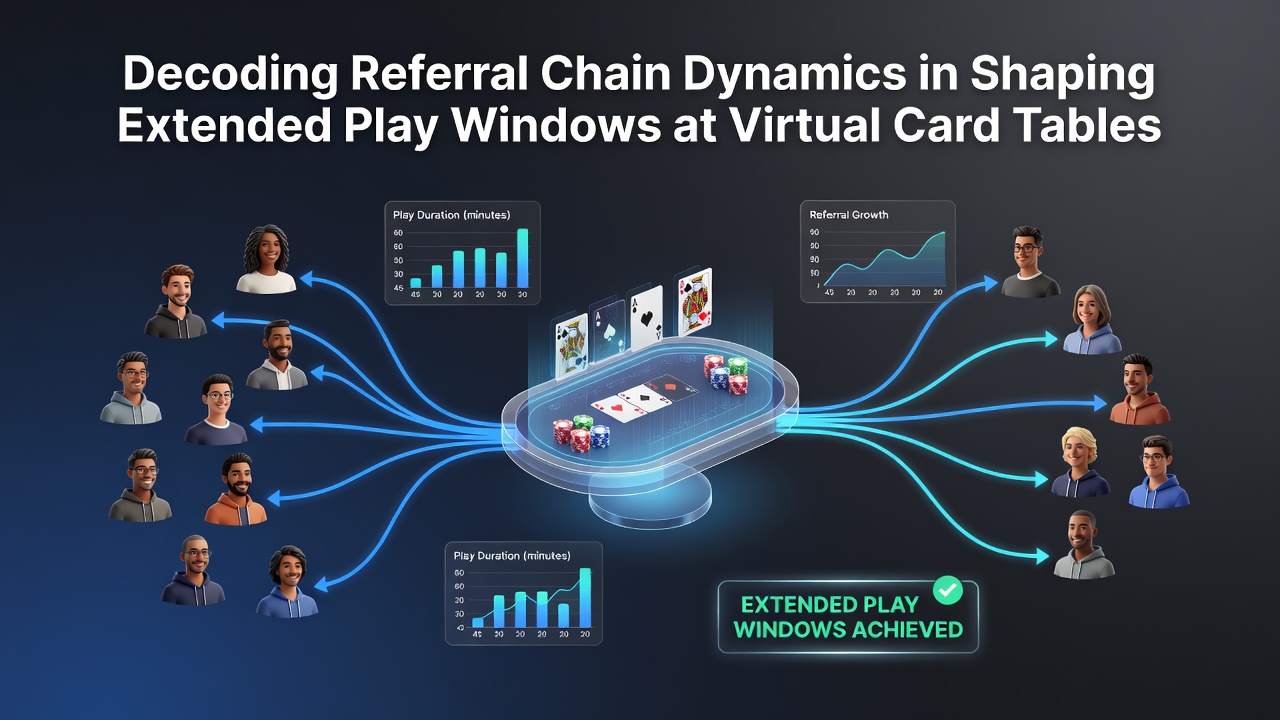
Tracking systems also captured how referral depth influences timing, with first-level referrals extending play by an average of 19 minutes while deeper connections in the network added incremental gains of 7 to 12 minutes each. This layered effect occurs because updates about chain-wide achievements arrive at staggered intervals, prompting users to extend their current sessions rather than log off.
Platform Design Elements That Amplify Chain Effects
Virtual card environments incorporate real-time leaderboards and shared progress trackers specifically for referral groups, and these features keep participants logged in to monitor collective advancement. Industry reports highlight that platforms using push alerts for chain milestones record 33 percent higher retention rates beyond the initial 48 hours, because the alerts function as external prompts that override natural session endings.
Deposit threshold mechanics further shape these dynamics, since many referral bonuses activate only after multiple linked accounts reach specified funding levels within a set window. Experts at the European Gaming Institute documented cases where coordinated deposit timing across chains produced session clusters lasting up to three hours, as users waited for others to complete their contributions before claiming rewards.
Comparative Outcomes Across Different Network Sizes
Small referral chains of two or three users produce moderate extensions in play duration, whereas larger networks demonstrate stronger cumulative impacts according to session logs analyzed in 2026. Data indicates that chains exceeding six participants correlate with 52 percent increases in total time spent at card tables over a seven-day period, driven by the higher frequency of milestone notifications distributed throughout the group.
Geographic variations appear in how these networks function, with operators in regulated markets like those overseen by the Malta Gaming Authority reporting more structured chain management tools compared to less regulated regions. The difference manifests in session consistency, where verified referral programs maintain steadier engagement patterns across weeks rather than concentrated bursts followed by drop-offs.
Conclusion
Referral chain dynamics continue to influence session lengths at virtual card tables through interconnected reward structures and notification systems that encourage sustained group participation. Platform data from September 2026 and earlier periods demonstrates measurable extensions in play windows tied to network depth and milestone mechanics, while design features such as shared trackers reinforce these patterns across different market environments.