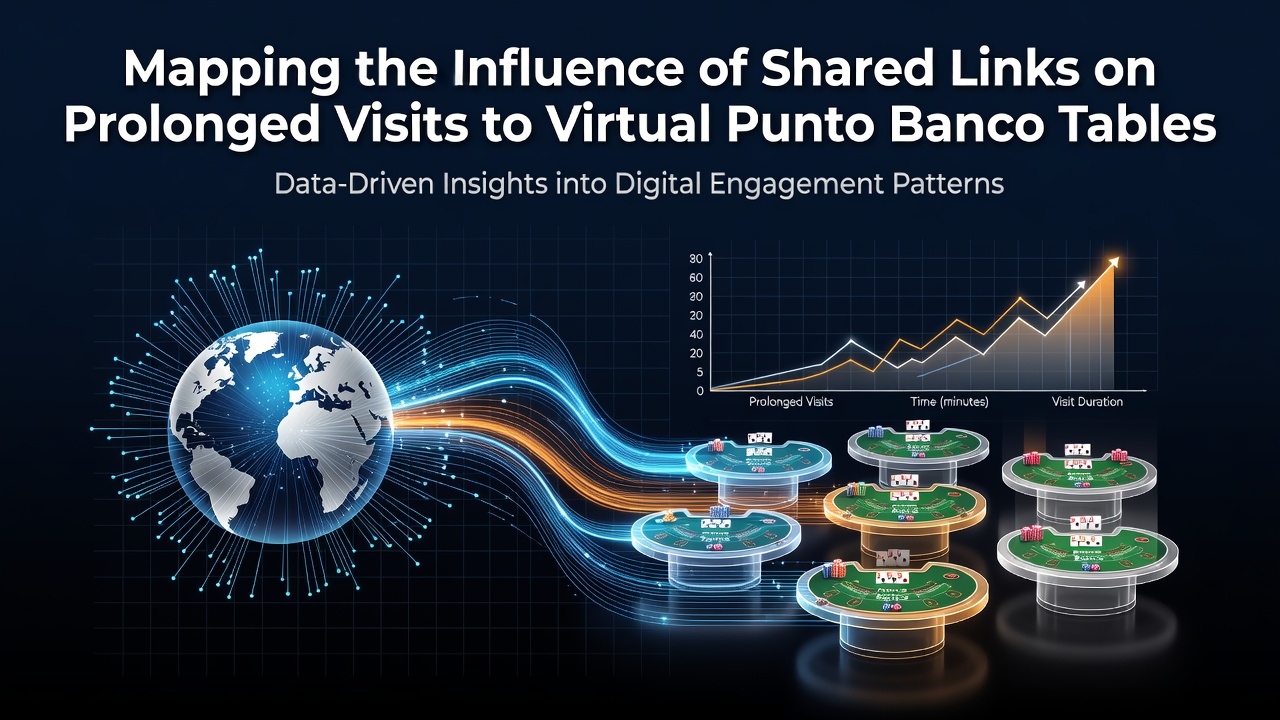
Tracing How Shared Links Shape Extended Sessions at Virtual Punto Banco Platforms
Data from multiple digital gaming platforms indicates that shared links function as entry points that often correlate with longer visit durations at virtual punto banco tables, and analysts track these patterns through referral chain metrics collected across several operator networks. Researchers at various institutions have mapped these connections by examining click-through rates alongside session timestamps, revealing that players who arrive via shared links tend to remain active for periods exceeding those of direct visitors by measurable margins in aggregated datasets.
Platform operators collect referral data through unique tracking identifiers embedded in links distributed across social channels, messaging apps, and community forums, while studies show these identifiers allow precise measurement of entry points and subsequent play lengths. In September 2026, several reports highlighted rising volumes of such shared activity coinciding with seasonal promotional cycles at online card-focused sites, and figures from industry monitoring services reveal consistent upticks in session extensions tied to these pathways.
Referral Mechanisms and Session Metrics
Shared links operate through structured referral systems where each connection carries parameters that log origin points and user pathways, and experts observe that these systems integrate with backend analytics to monitor time spent at specific punto banco tables. Operators deploy these tools to segment traffic sources, noting that links originating from peer networks frequently lead to repeated logins within the same session window compared to organic searches or direct bookmarks.
Studies conducted on virtual gaming environments demonstrate that players entering through shared referrals display higher rates of table switching and sustained engagement, while data points collected over quarterly periods illustrate average extensions of fifteen to twenty-five minutes per visit when link provenance is accounted for. Observers note that such patterns hold across multiple jurisdictions where regulated online play occurs, and cross-referencing with player drop statistics provides further insight into how these links influence overall platform retention.
Geographic Variations in Link Influence
Regulatory reports from the Nevada Gaming Control Board document shifts in online traffic patterns that align with increased link sharing during peak evening hours, and similar observations appear in analyses from Australian gambling research centers tracking digital card game participation. These sources indicate that regional differences emerge in how shared links affect session lengths, with certain markets showing stronger correlations due to higher mobile penetration and social connectivity rates.
One study revealed that referral chains originating from established player communities extended average dwell times more effectively than isolated promotional blasts, and researchers attribute this to the trust factor embedded in peer-to-peer distribution. Platforms in Asia-Pacific regions report comparable trends through aggregated session logs, where link sharing coincides with prolonged punto banco activity during overlapping time zones.
Technical Tracking and Behavioral Patterns
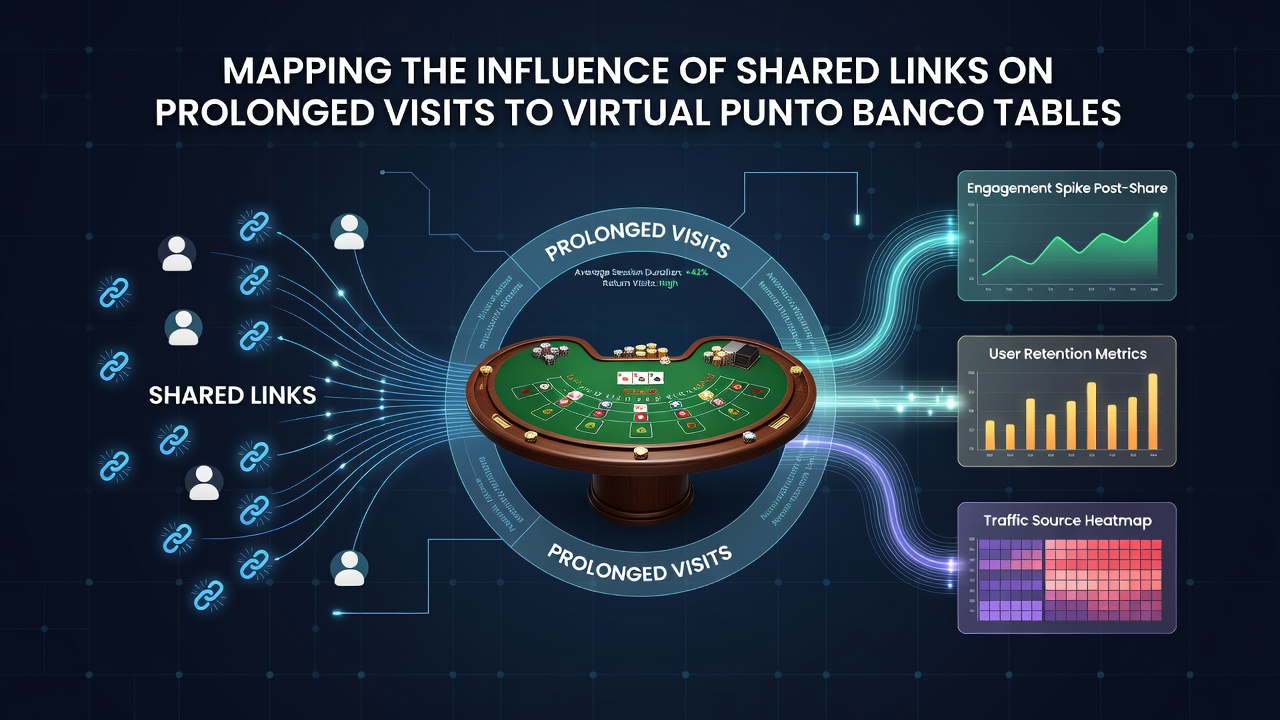
Analytics frameworks employed by virtual casino operators capture granular details on link propagation, including bounce rates, return visits, and cumulative table time, while integration with player account histories allows mapping of how initial shared access translates into extended engagement. Data indicates that links shared within group chats or forum threads often trigger chain reactions where secondary recipients also exhibit extended sessions, and this multiplies the overall influence measured at the platform level.
Technical teams monitor these flows using timestamped event logs that distinguish between single-click entries and multi-stage referrals, and findings from such monitoring show elevated persistence rates when links include embedded table invitations rather than generic landing pages. Patterns observed in September 2026 datasets further confirm that seasonal events amplify these effects, with shared content driving clusters of activity around featured punto banco variants.
Integration with Platform Features
Virtual punto banco environments incorporate social sharing buttons and invite functions that facilitate link distribution directly from active tables, and operators record how these in-game tools contribute to the broader referral ecosystem. Evidence from industry reports suggests that players utilizing such features maintain longer connections, particularly when shared links grant access to private or high-limit rooms that encourage continued participation.
Cross-platform linkages examined in recent analyses connect referral volume to metrics like average hands played and total session value, revealing measurable extensions tied to the density of shared connections. Those who have examined these networks note that link velocity, or the speed at which shares propagate, serves as a predictor for collective session prolongation across linked user groups.
Conclusion
Mapping exercises continue to evolve as operators refine tracking capabilities and incorporate additional data layers from mobile and desktop interfaces, and ongoing collections from regulatory and academic sources provide expanding views into how shared links sustain activity at virtual punto banco tables. The interplay between referral origins and session metrics offers operators concrete parameters for understanding traffic dynamics, while sustained observation through 2026 and beyond supplies further clarity on these digital pathways.